
Performance tires play a critical role in how a vehicle responds on the road and track. While engines, suspension, and braking systems often receive the most attention, tires are the only components that directly contact the road surface. The type of tire fitted to a vehicle can significantly influence handling precision, acceleration, braking distance, and overall driving confidence. Understanding how performance tires work helps drivers make informed decisions for both daily driving and spirited performance use.
The Role of Performance Tires in Vehicle Dynamics

Vehicle dynamics describe how a car behaves when accelerating, braking, and cornering. Performance tires are engineered to enhance these behaviors by maximizing grip and maintaining stability under load. Compared to standard all-season tires, performance-focused compounds and tread designs allow vehicles to respond more accurately to driver inputs.
Modern performance tires are developed using advanced rubber compounds, reinforced sidewalls, and optimized tread patterns. These features work together to maintain contact with the road during aggressive driving conditions.
Tire Grip and Road Contact
Grip is the primary advantage of performance tires. Increased traction allows vehicles to corner at higher speeds while maintaining stability. The rubber compound used in performance tires is typically softer, which helps the tire conform to the road surface.
Rubber Compound Characteristics
Softer rubber compounds provide better grip but tend to wear faster than harder compounds. This trade-off is intentional, as performance tires prioritize traction over long tread life. Heat resistance is also a key factor, allowing tires to maintain grip during extended driving sessions.
Sidewall Stiffness and Steering Response
Performance tires feature stiffer sidewalls compared to standard tires. This stiffness reduces flex during cornering, resulting in sharper steering response and improved feedback through the steering wheel.
Impact on Driver Feedback
Reduced sidewall flex allows drivers to feel changes in road surface and vehicle balance more clearly. This feedback improves driver confidence and control, especially during high-speed driving or technical cornering.
Tread Design and Water Management
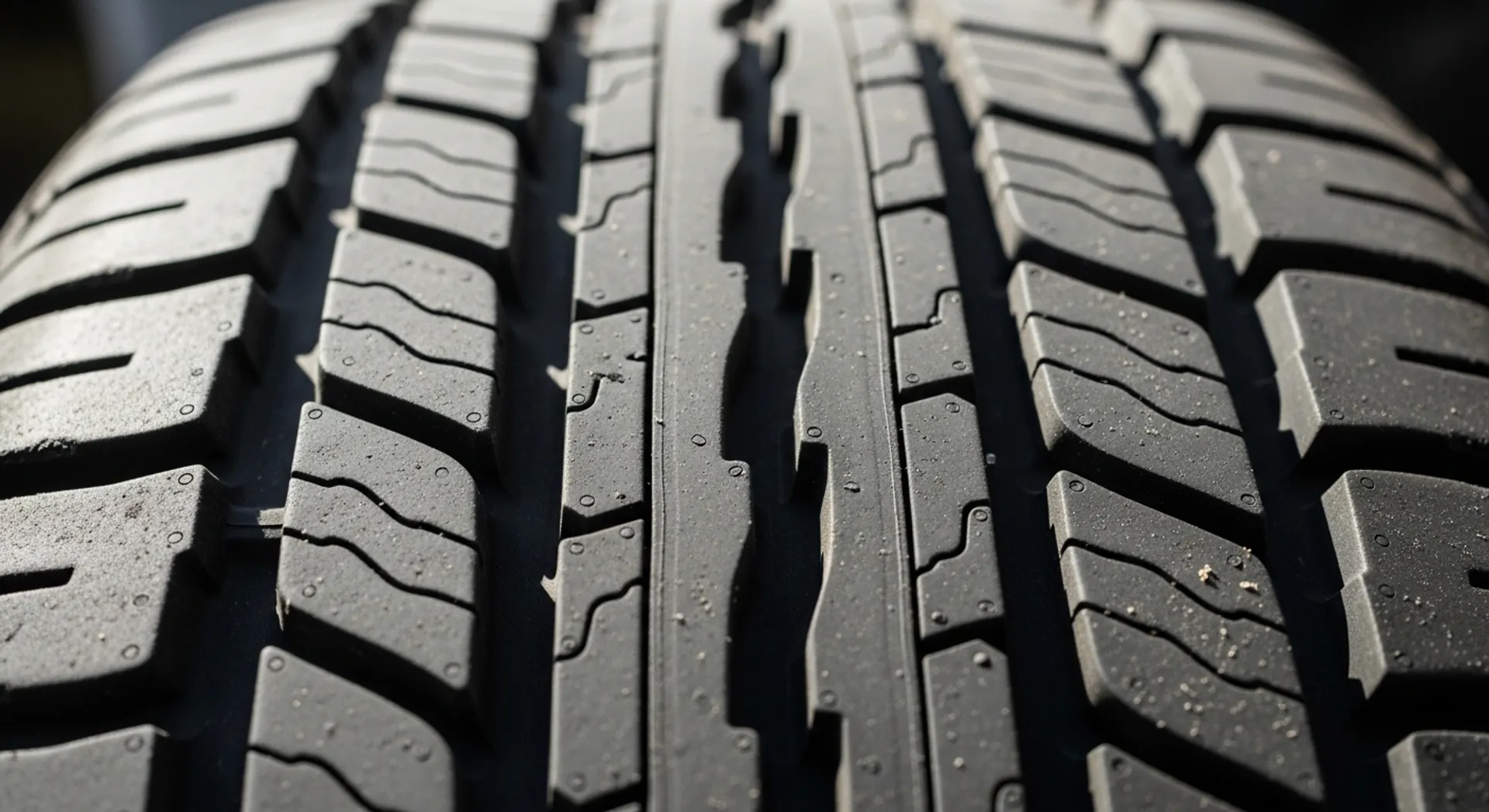
Tread patterns on performance tires are designed to balance dry grip with water evacuation. Wide tread blocks increase surface contact, while strategically placed grooves help channel water away from the tire.
Wet Performance Considerations
While performance tires excel in dry conditions, wet performance varies by design. Some prioritize maximum dry grip, while others offer a balance suitable for mixed conditions. Understanding intended use is essential when selecting a tire.
How Performance Tires Influence Speed and Driving Experience
Beyond handling, performance tires directly affect how a vehicle accelerates, brakes, and feels during everyday driving. The connection between tire and road surface determines how efficiently power is transferred and how confidently the vehicle responds to driver inputs.
Performance tires are often used to unlock the full potential of a vehicle’s chassis and drivetrain.
Acceleration and Power Transfer
Traction during acceleration depends heavily on tire grip. Performance tires reduce wheel spin and allow power to be delivered more efficiently, especially in rear-wheel-drive and high-output vehicles.
This improved traction results in quicker launches and more consistent acceleration under load.
Braking Performance and Stability
Stopping power is not only about brake hardware. Tire grip plays a major role in how quickly a vehicle can decelerate. Performance tires shorten braking distances by maintaining contact and stability under heavy braking.
Consistent braking performance is especially noticeable during repeated stops, such as on track days or mountain roads.
Everyday Driving Comfort and Noise
Performance tires are often firmer than standard tires, which can affect ride comfort. Stiffer construction may transmit more road texture into the cabin, particularly on rough surfaces.
Road noise can also be higher, depending on tread design. Drivers should weigh performance benefits against comfort expectations.
Balancing Performance and Practicality
Some modern performance tires are designed to offer a compromise between grip and comfort. These options suit drivers who want improved handling without sacrificing daily usability.
Tire Wear and Maintenance
Because performance tires use softer compounds, they typically wear faster than all-season alternatives. Regular alignment checks and proper tire pressure help maximize lifespan and maintain consistent performance.
Choosing the Right Performance Tire
Selecting the right performance tire depends on driving style, climate, and vehicle setup. Summer performance tires, track-focused compounds, and ultra-high-performance street tires each serve different purposes.
Understanding these differences ensures that drivers choose tires that match their expectations and driving conditions.
In conclusion, performance tires significantly influence how a vehicle handles, accelerates, and feels on the road. By improving grip, steering response, and braking stability, they enhance both performance and driver confidence. When chosen correctly, performance tires allow drivers to experience their vehicle’s full potential while maintaining control and precision.