
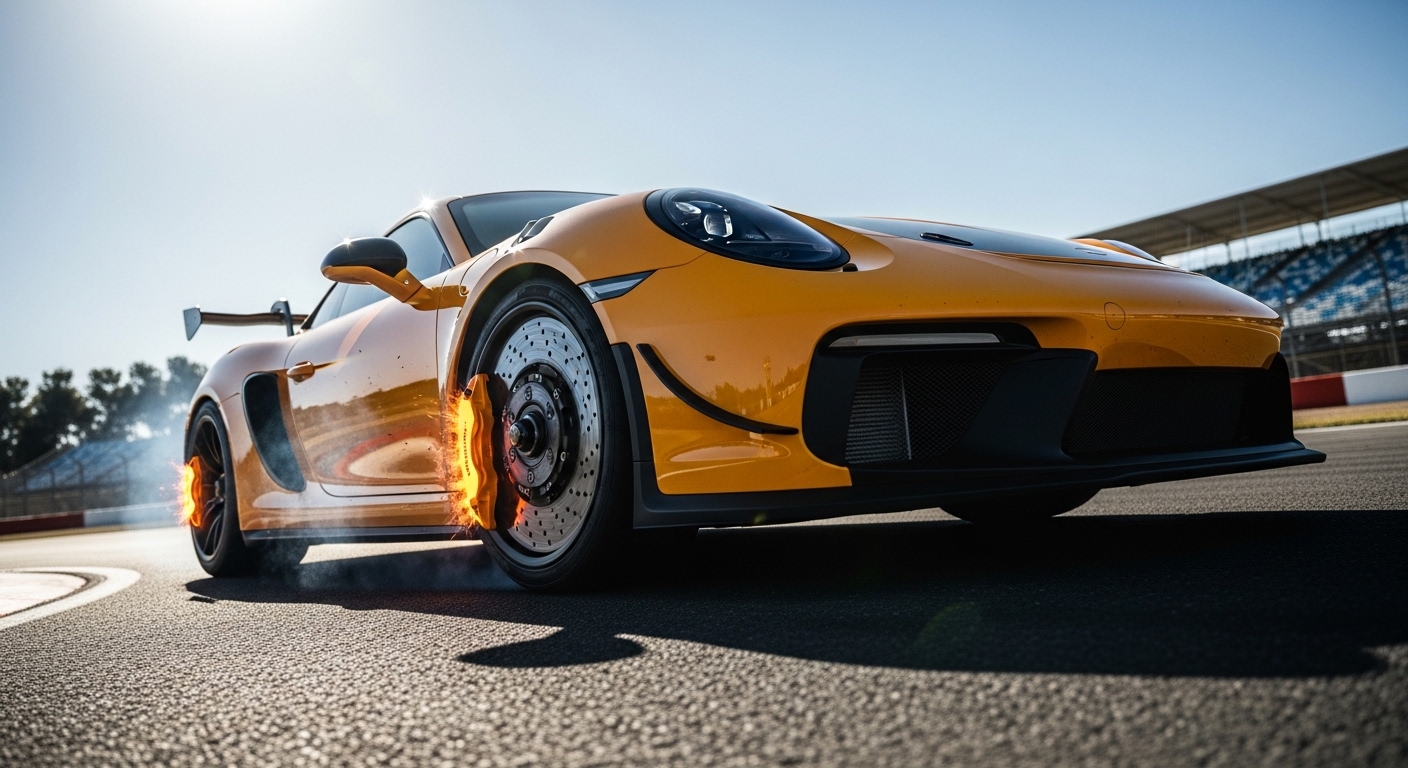
When people think about performance upgrades, horsepower often gets all the attention. But stopping power matters just as much as speed. Whether you’re driving aggressively on the street or pushing your car during track days, your braking system plays a major role in control, safety, and overall driving confidence.
Brake upgrades are one of the most practical improvements you can make to a performance car. The right setup can improve stopping distance, reduce fade, and give you more consistent braking under stress. However, not all upgrades deliver the same results, and understanding what actually works can help you avoid wasting money.
Why Stock Brakes May Not Be Enough
Most factory brake systems are designed for everyday driving conditions. They are built to handle normal commuting, occasional hard stops, and general road use. But once you begin driving more aggressively or add power upgrades, the limitations of stock brakes become more noticeable.
Heat is the biggest issue. Under repeated hard braking, stock components can overheat quickly. This leads to brake fade, where stopping power decreases even though you’re pressing the pedal harder. This is especially common during spirited driving or track sessions.
Understanding What Improves Braking Performance
Improving braking performance is not about one single upgrade. It involves a combination of components working together. The goal is to increase friction, manage heat, and maintain consistent pedal feel.
Brake Pads Make the Biggest Immediate Difference
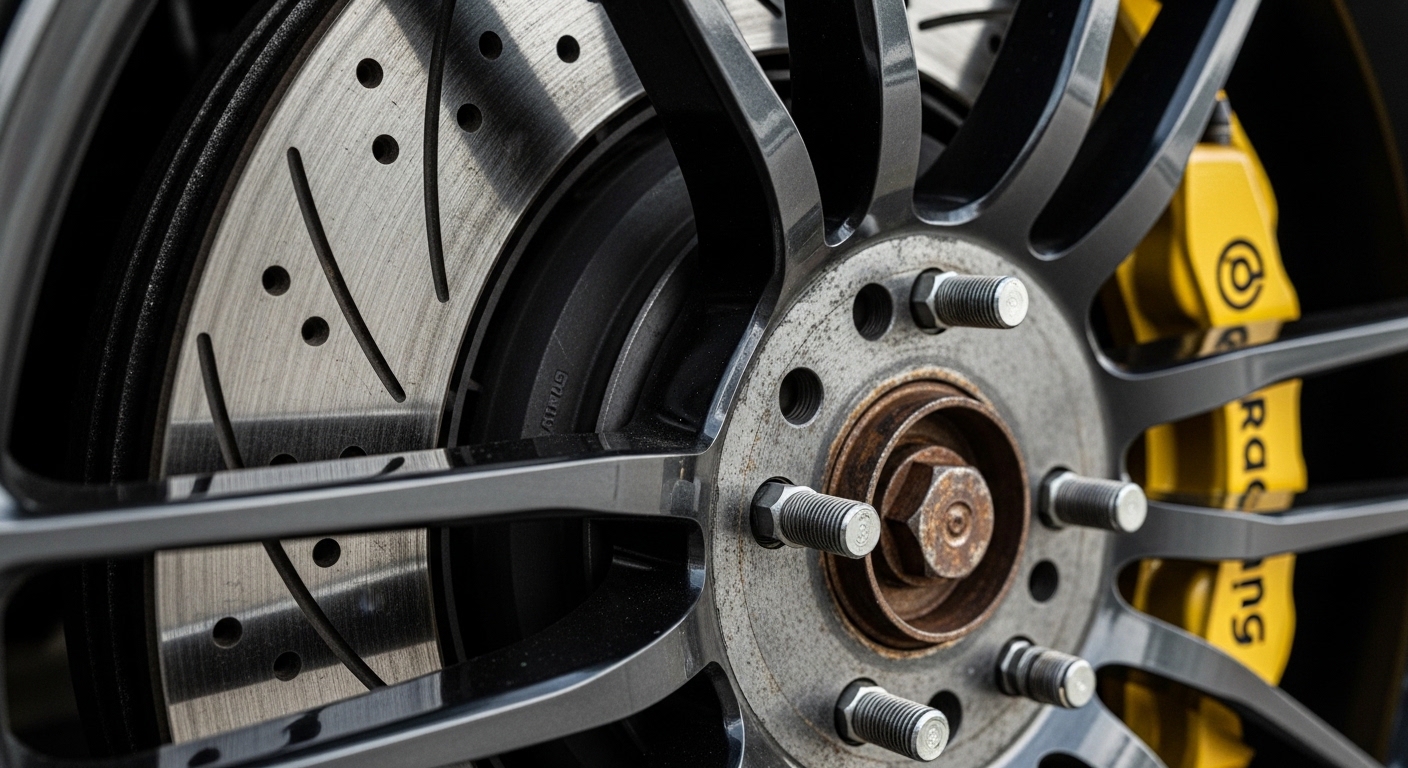
Upgrading brake pads is often the first step. Performance brake pads use more aggressive materials that increase friction against the rotor. This results in stronger initial bite and shorter stopping distances.
Track-focused pads can handle higher temperatures without fading, but they may produce more dust and noise. Street performance pads offer a balance between improved stopping power and daily usability.
Rotors Help Manage Heat
Brake rotors play a major role in heat dissipation. Larger rotors provide more surface area, which helps spread and release heat more effectively. This reduces the risk of overheating during repeated braking.
Drilled and slotted rotors are commonly used in performance setups. These designs allow gases and heat to escape more efficiently, improving braking consistency under load.
For additional insights on track-focused upgrades, check out our guide on 2026 Track-Day Upgrades That Actually Work.
Brake Fade and Why It Matters
Brake fade occurs when the braking system overheats and loses effectiveness. This can happen when the brake fluid boils or when the pads and rotors exceed their optimal temperature range.
During fade, the car takes longer to stop, and the pedal may feel soft or unresponsive. This is one of the most common issues drivers experience during track days or aggressive driving.
Upgrading components that handle heat better is key to reducing fade. This includes high-temperature brake pads, better rotors, and upgraded brake fluid.
Performance Brake Fluid Is Often Overlooked
Brake fluid is a critical part of the system, yet it is often ignored. Under heavy braking, brake fluid can heat up and begin to boil. When this happens, air bubbles form in the system, reducing braking effectiveness.
High-performance brake fluids are designed to handle higher temperatures. They maintain consistent pressure and pedal feel even during intense use. This makes them a valuable upgrade for both track and spirited street driving.
Stainless Steel Brake Lines Improve Pedal Feel
Another useful upgrade is stainless steel brake lines. Unlike rubber lines, they do not expand as much under pressure. This results in a firmer and more responsive brake pedal.
While they may not directly reduce stopping distance, they improve driver confidence and control, especially during repeated braking.
Big Brake Kits and When They Make Sense
Big brake kits include larger rotors, multi-piston calipers, and upgraded hardware. These systems are designed for high-performance applications where maximum stopping power and heat control are required.
They provide better heat management, improved braking force, and more consistent performance under stress. However, they are typically more expensive and may not be necessary for all drivers.
For daily driving with occasional spirited use, upgraded pads, rotors, and fluid may already provide noticeable improvements without the need for a full kit.
Balancing Performance and Daily Driving
Choosing the right brake setup depends on how you use your car. Track-focused setups may deliver strong performance but can introduce noise, dust, and reduced comfort during normal driving.
Street performance setups aim to provide better stopping power while maintaining comfort and reliability. Finding the right balance can help you get the most out of your upgrades without compromising everyday usability.
How Tires Affect Braking Performance
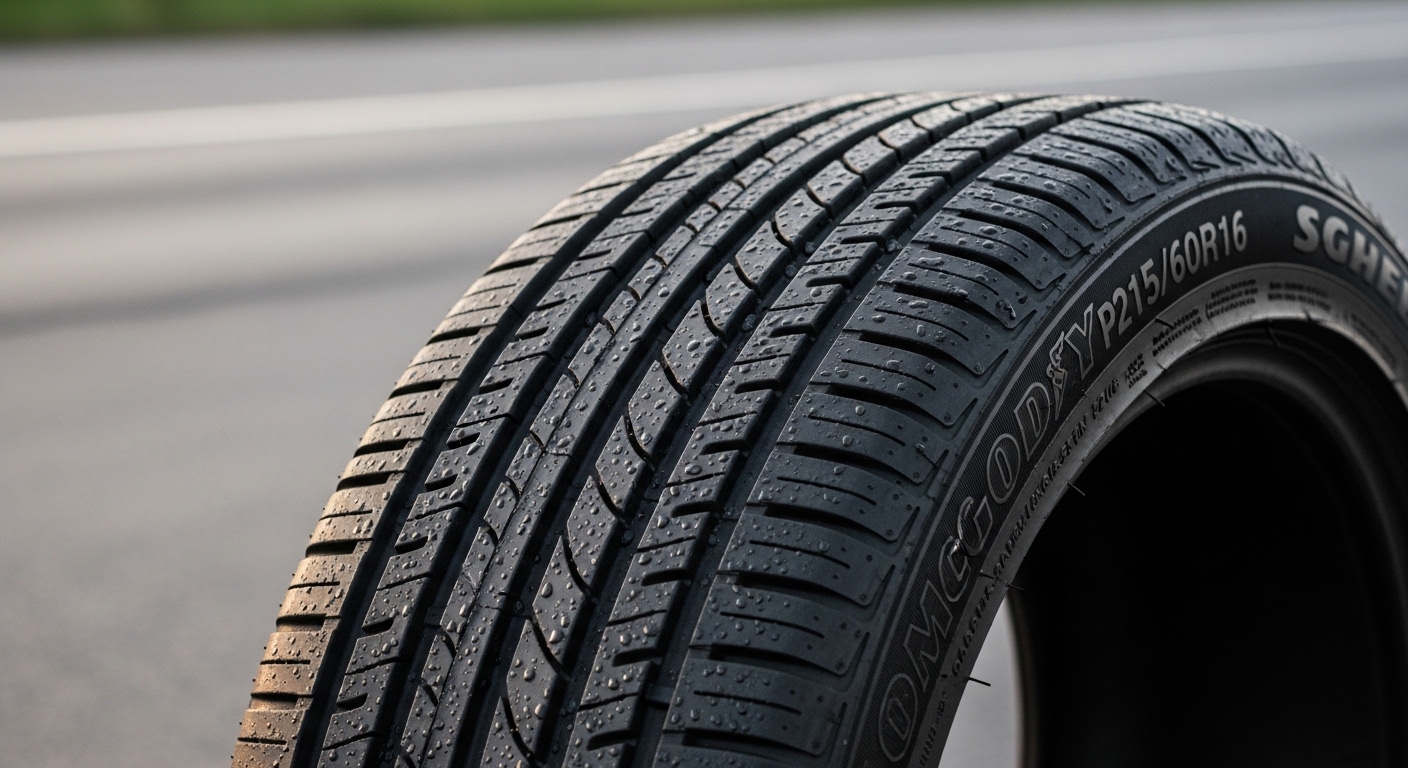
Even the best brake system depends on tire grip. Tires are the only point of contact between the car and the road. Without proper traction, braking performance is limited.
Performance tires provide better grip, allowing the braking system to work more effectively. This improves stopping distances and overall control.
To better understand how tires influence performance, you can explore this detailed guide on how tire traction affects braking.
Common Mistakes When Upgrading Brakes
One common mistake is upgrading only one component while ignoring the rest of the system. For example, installing aggressive brake pads without addressing heat management may lead to inconsistent results.
Another mistake is choosing parts that do not match your driving style. Track-focused components may not perform well in everyday conditions and can reduce overall comfort.
It is also important to properly bed in new brake components. This process helps transfer material evenly and ensures optimal performance.
Final Thoughts on Brake Upgrades
Brake upgrades can transform how a performance car feels and responds. They improve control, consistency, and confidence behind the wheel. Whether you’re preparing for track days or simply want better braking on the road, the right upgrades can make a noticeable difference.