
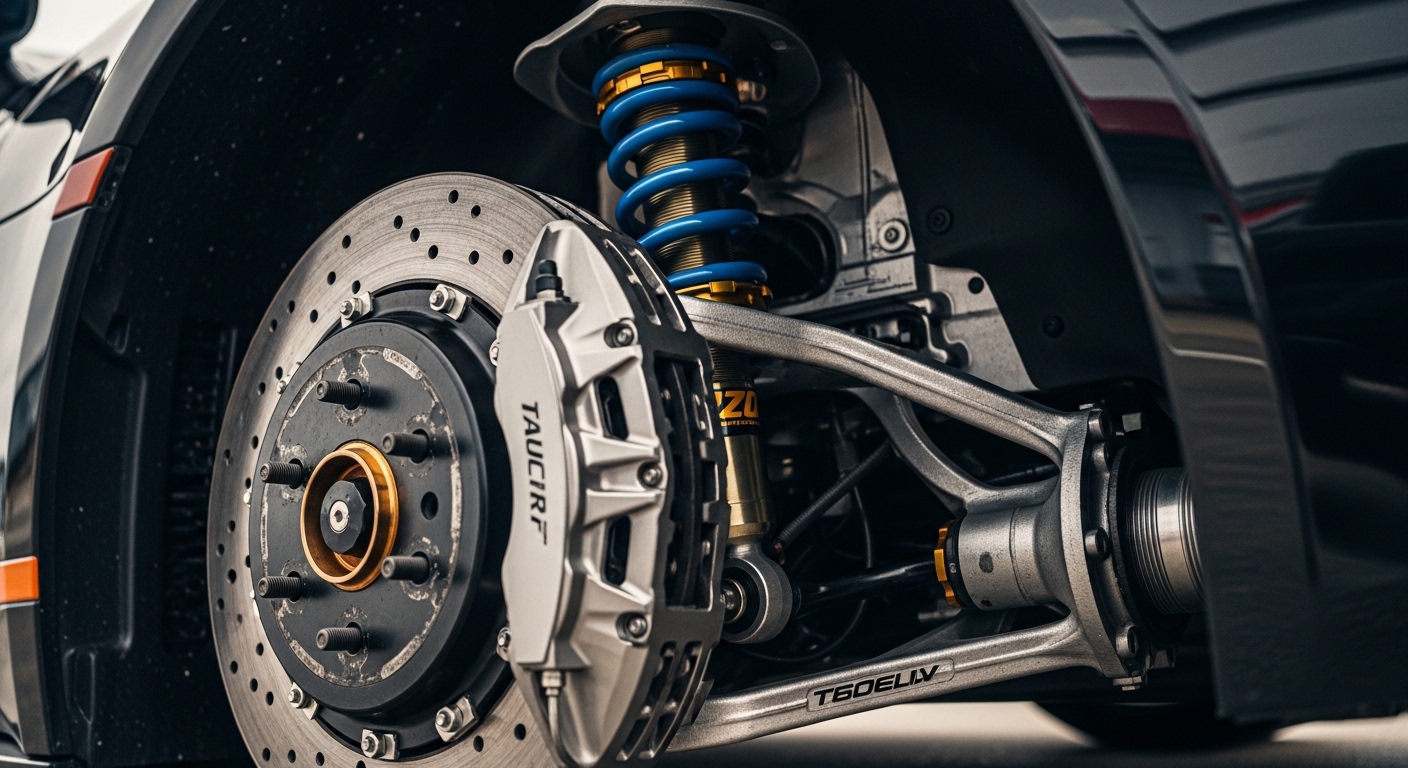
When it comes to performance driving, few factors impact the car’s handling as much as the suspension system. A well-tuned suspension setup allows the driver to maintain better control, enhance cornering performance, and achieve overall stability. Suspension upgrades are a popular modification for anyone seeking to improve their sports car’s dynamics, whether on the road or the track.
In this article, we will explore how suspension upgrades can enhance your car’s handling, the different types of suspension components, and why these modifications are essential for a thrilling driving experience.
What Does the Suspension Do for Performance Cars?
The suspension system in a car connects the chassis to the wheels, helping to control the vehicle’s movement over different types of terrain. A car’s suspension helps manage ride comfort, but more importantly, it plays a critical role in maintaining tire contact with the road or track. A performance suspension improves how the car reacts to turns, bumps, and rapid changes in speed, ensuring better control and handling.
When you upgrade your suspension, the primary goals are to improve grip, cornering performance, and vehicle stability, especially under high-speed conditions. Suspension upgrades reduce body roll during tight turns and ensure the car stays balanced, giving drivers more confidence and control.
Why Should You Upgrade Your Suspension?
 Upgrading your suspension provides several benefits, especially for sports car enthusiasts. Here are a few of the most important reasons:
- Improved Cornering: Suspension upgrades help maintain optimal tire contact during sharp turns, reducing understeer and oversteer.
- Better Handling: Stiffer suspension setups reduce body roll and provide quicker response times, making the car more predictable and agile.
- Enhanced Stability: Upgraded shocks and struts ensure that the car maintains stability, even during rapid changes in speed or direction.
- Increased Performance: Performance suspension kits can improve lap times on the track and make the car feel more responsive on the road.
Types of Suspension Upgrades
There are various components within the suspension system that can be upgraded for performance. Here are the key types of suspension upgrades:
Coilovers
Coilovers are one of the most popular suspension upgrades for sports cars. A coilover kit replaces the stock shocks and springs with a more adjustable setup. These systems allow you to fine-tune the ride height and damping, improving the car’s balance and handling characteristics.
By adjusting the ride height, you can lower the car for better aerodynamics and a lower center of gravity, which improves handling during high-speed cornering. Damping adjustment allows you to dial in the suspension stiffness to match your driving style or the specific needs of a track day.
Anti-Roll Bars
Anti-roll bars, also known as sway bars, are used to reduce body roll during tight turns. They link the left and right sides of the suspension, helping to distribute load more evenly across the car during cornering.
Upgrading to thicker, stiffer anti-roll bars can help reduce body roll and improve handling by keeping the car more level and reducing the risk of losing grip during aggressive cornering.
Strut Bars
Strut bars are typically added to the front or rear of a car to provide additional stiffness to the chassis. These bars connect the top of the suspension towers, reducing flex and improving the car’s overall structural rigidity.
Strut bars can provide more precise steering feel and improve handling, especially in cars with softer factory suspension systems.
How Suspension Upgrades Affect Driving Comfort
 One important consideration when upgrading your suspension is the balance between performance and comfort. Performance suspension setups, especially on coilovers or stiffer springs, can reduce ride comfort. While this may not be an issue on the track, it’s essential to think about how these upgrades will affect daily driving.
Many modern coilover systems offer adjustable damping settings, which allow drivers to strike a balance between performance and comfort. This feature makes it easier to enjoy a performance-oriented setup without sacrificing too much comfort during regular commutes.
Learn more about suspension and performance balance on Car and Driver’s suspension systems guide.
Track vs. Street Suspension Setups
Performance cars often require different suspension setups depending on their intended use. For instance, a car designed primarily for track days will need a much stiffer suspension with reduced body roll and minimal travel. On the other hand, a street-focused performance car may prioritize comfort and daily usability while still offering sporty handling capabilities.
Common Suspension Upgrade Mistakes to Avoid
When upgrading your suspension, it’s important to avoid common mistakes that can affect performance or cause problems in the long run. Here are some pitfalls to watch out for:
- Overly Stiff Springs: While stiff suspension can improve handling, going too stiff can make the car uncomfortable and harder to control, especially on uneven surfaces.
- Ignoring Alignment: After installing suspension upgrades, getting the alignment checked and adjusted is crucial. Poor alignment can cause uneven tire wear and reduced handling performance.
- Not Considering the Entire System: Suspension works best when all components are upgraded together. Mixing and matching low-quality parts with high-end upgrades can lead to poor performance and instability.
Conclusion: The Benefits of Suspension Upgrades
Suspension upgrades are one of the most effective ways to improve the handling, stability, and overall performance of your sports car. Whether you’re hitting the track or enjoying spirited drives on the street, a well-tuned suspension will enhance your driving experience.
By carefully choosing the right suspension components, you can achieve the ideal balance of comfort and performance, making your car more responsive, precise, and fun to drive.
For more ideas on performance upgrades, check out our article on track-day upgrades.
For a deeper dive into suspension and automotive performance, visit Autobest.