
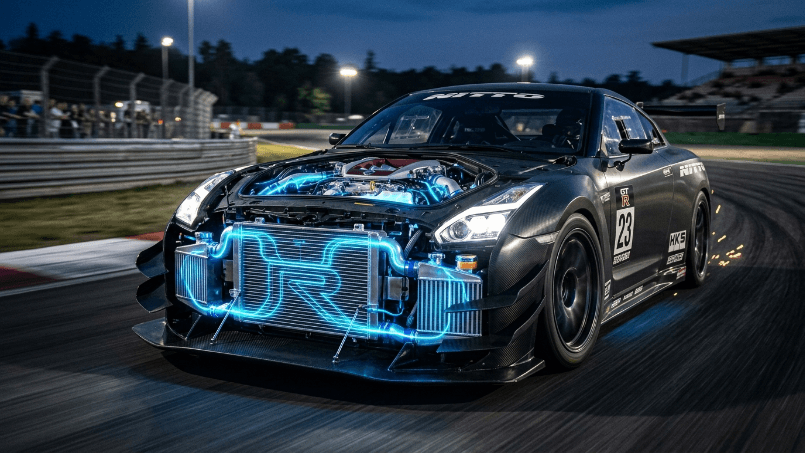
Sports cars are engineered for speed, agility, and performance. However, one of the most overlooked aspects of performance is how well the car manages heat. High-performance engines generate tremendous heat under stress, especially during track driving or spirited road sessions. Without an efficient cooling system, components can overheat, lose performance, or even fail. This is where high-performance cooling systems come into play, helping sports cars maintain peak performance while protecting critical components.
In this article, we will explore why cooling matters, the components involved in a high-performance cooling system, and how upgraded cooling improves performance on the track and street.
Why Cooling Matters in High-Performance Cars
 Engines produce energy through combustion, which generates heat. In high-performance sports cars, engines often produce more power than standard vehicles, meaning they also generate more heat. Excessive heat can cause a number of issues, including:
- Reduced engine efficiency and power output
- Increased risk of overheating and component wear
- Fluid degradation, such as coolant and oil breakdown
- Reduced lifespan of engine parts like pistons, gaskets, and turbochargers
Even short laps on a racetrack or spirited driving on winding roads can push engines past normal operating temperatures. High-performance cooling systems are designed to dissipate heat more efficiently, ensuring consistent power delivery and reliability.
Learn more about supporting performance upgrades, like engine tuning for sports cars, which works hand-in-hand with improved cooling.
Key Components of a High-Performance Cooling System
A modern cooling system has multiple components that work together to maintain optimal temperatures:
Radiators
The radiator is the core of the cooling system. High-performance sports cars often use larger, multi-core radiators made of aluminum to increase heat dissipation. Some track-oriented cars use dual radiators or high-flow designs to keep coolant temperatures stable under extreme conditions.
Intercoolers
Turbocharged and supercharged engines benefit from intercoolers, which cool the intake air after it has been compressed by the turbo or supercharger. Cooler intake air is denser, allowing more oxygen into the combustion chamber for increased power and efficiency.
Coolant Hoses and Pumps
Upgraded braided or reinforced coolant hoses improve reliability under high pressure and temperature. Performance water pumps ensure consistent coolant flow, preventing hotspots and maintaining thermal stability even under high engine loads.
Fans and Ducting
High-performance electric fans and aerodynamic ducting increase airflow through the radiator and engine bay. Track cars may use specially designed ducts to direct air to critical areas while minimizing drag and turbulence.
For a deeper technical overview, see Car and Driver’s radiator guide.
How Upgraded Cooling Improves Track Performance
On the racetrack, engines are pushed to their limits. Stock cooling systems are often sufficient for street use but may struggle during sustained high-speed driving. Upgraded cooling systems provide several benefits:
- Consistent Power Output: By maintaining optimal temperatures, engines can continue producing peak horsepower without power loss due to heat soak.
- Reduced Risk of Overheating: Overheated engines can trigger safety cutbacks or damage components. Efficient cooling prevents this, even during long track sessions.
- Improved Reliability: Track use exposes the engine to repeated thermal cycles. High-performance cooling protects components and fluids from degradation.
For example, sports cars equipped with dual-core radiators and upgraded intercoolers can maintain full power output through extended high-speed runs. Proper cooling also helps support other performance upgrades such as track-day suspension and brake systems.
Cooling for Turbocharged and Supercharged Cars
 Forced induction engines generate additional heat due to higher combustion pressures. Intercoolers and oil coolers become critical in these setups. By lowering intake temperatures and keeping oil within optimal range, forced induction cars avoid heat-related power loss and maintain consistent lap times.
High-flow intercoolers reduce intake air temperatures, allowing the engine to safely make more power. Coupled with upgraded radiators and fluid systems, turbocharged sports cars achieve better reliability during extended performance driving.
Cooling Fluids and Maintenance
High-performance cooling is not just about hardware; fluids matter too. Coolant quality, oil type, and brake fluids all affect heat management. Upgraded coolant formulations help maintain stability at higher temperatures. Engine oils with higher thermal tolerance reduce friction and heat buildup, ensuring components last longer under stress.
Regular maintenance, including flushing coolant and checking for leaks, ensures the cooling system continues to perform optimally. Neglecting these tasks can undermine even the most advanced hardware.
Street Driving Benefits of Upgraded Cooling
Even if a car is rarely tracked, upgraded cooling can be beneficial on the street. Hot weather, city traffic, and spirited canyon driving can cause engines to run hotter than normal. Enhanced radiators, better fans, and high-quality fluids help keep temperatures within safe ranges, reducing long-term wear and improving reliability.
Integration With Other Performance Systems
Cooling does not operate in isolation. Engine tuning, turbocharging, and high-performance braking all depend on effective thermal management. For example, engine tuning that increases horsepower generates more heat, so cooling upgrades are necessary to safely realize the potential. Likewise, upgraded brakes generate heat, and supplemental cooling ducts or fluid upgrades ensure consistent stopping performance.
For related driving improvements, see our guide on suspension upgrades for better handling.
Signs You May Need Cooling Upgrades
- Engine temperatures rising too high during spirited driving
- Reduced performance after extended track sessions
- Frequent thermal warnings or safety cutbacks
- Old or low-capacity radiators and hoses
Upgrading cooling components before hitting the track prevents these issues and ensures maximum performance and reliability.
Conclusion: Why Cooling Should Not Be Overlooked
High-performance cooling systems are a critical yet often overlooked component of sports car performance. They maintain power, protect engine components, improve reliability, and allow drivers to push their vehicles to the limit safely.
Whether on the track or spirited street drives, investing in a high-performance cooling setup ensures the car remains consistent, predictable, and capable of handling aggressive driving. Paired with tuning, suspension, and tires, cooling upgrades complete a holistic performance package.
For further reading on performance upgrades, check out our Car Buying Advice section for tips on selecting cars ready for performance modifications.